
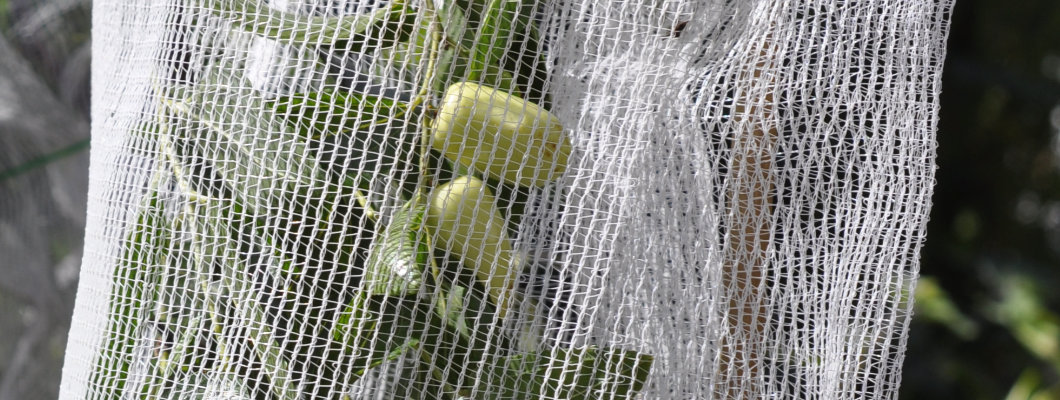
Title image above is copyright © Kristi Ellinopoullos
First published 2nd April 2026
By far the best all-round pest control method is to simply exclude them. This is of course often easier said than done, but for many many set-ups exclusion netting is the most efficient and practical way to ensure pests never get anywhere near your fruit trees or vegie crops.
Nets with a large mesh size are great for keeping birds, bats, possums, kangaroos and other large animals out. But to exclude absolutely everything, go for nets with a small mesh rated for fruit-fly, cabbage moth and other insects. If they keep those out, they’ll also keep smaller animals such as mice and rats out, as well as, by default, all the larger ones.
You may not known that this kind of netting comes in a range of sizes, from bags to large nets, to suit all purposes. Let’s go through these now.
The Netting Material
All netting described below is made from the same 2 mm weave, which is non-toxic, UV-stabilised, lightweight, reusable, breathable, washable, and with a shade rating of 20%.
This netting excludes all insects including the dreaded fruit-fly and cabbage moth — as well as birds, mice, rats, bats, possums, wallabies, kangaroos, dogs, cats…
Fruit Protection
SMALL Fruit Protection BAGS (15 cm × 25 cm)
copyright © Kristi Ellinopoullos
These small bags come in packs of ten.
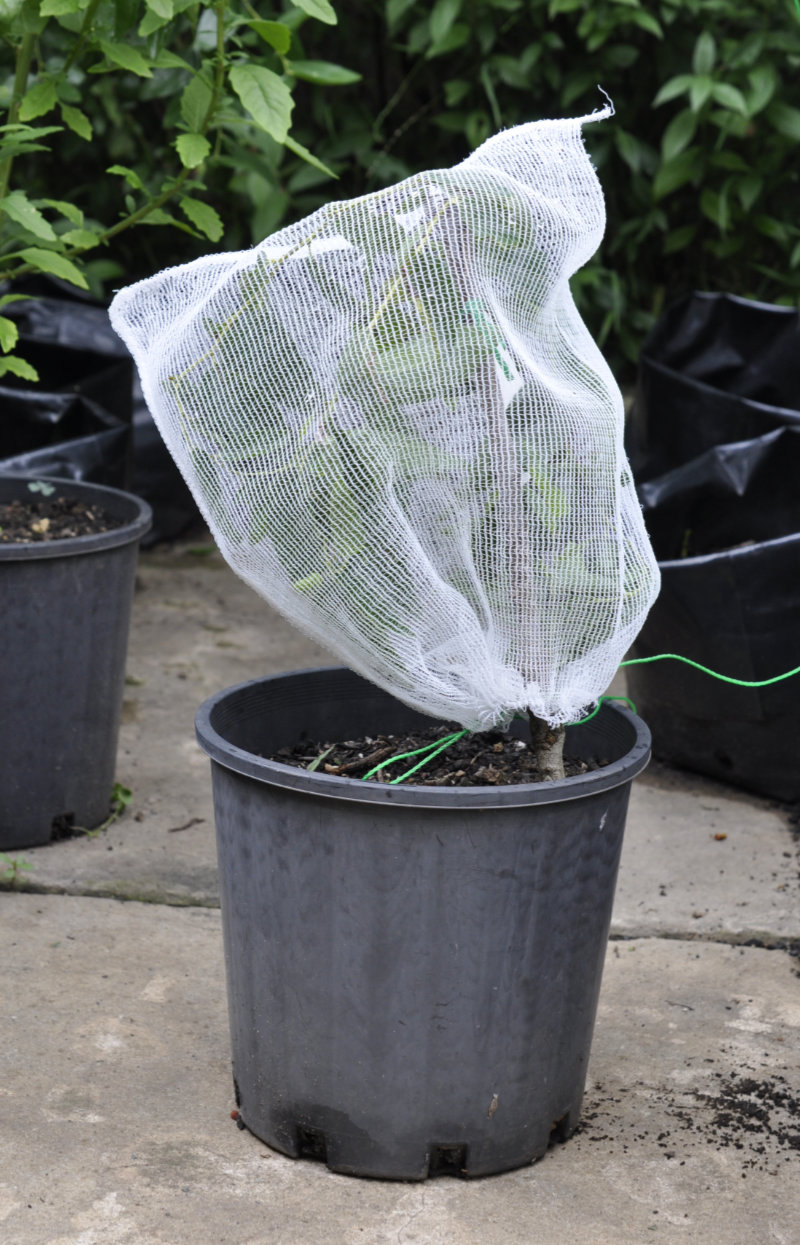
Each bag has a drawstring with which to securely fasten it around small clusters of fruit on, for example, young jujube trees, or around single, large fruits such as apples and peaches.
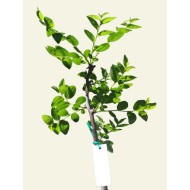
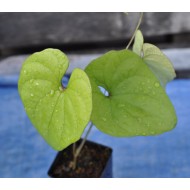
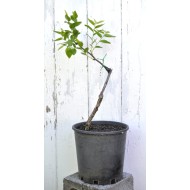
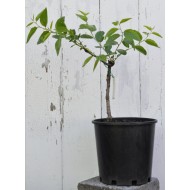
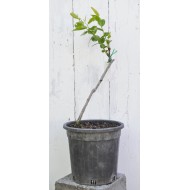
You could also use a single bag as in the photo, as a mini net to completely cover and protect a young, small plant such as that jujube tree above!
LARGE Fruit Protection BAGS (30 cm x 30 cm)
copyright © Kristi Ellinopoullos
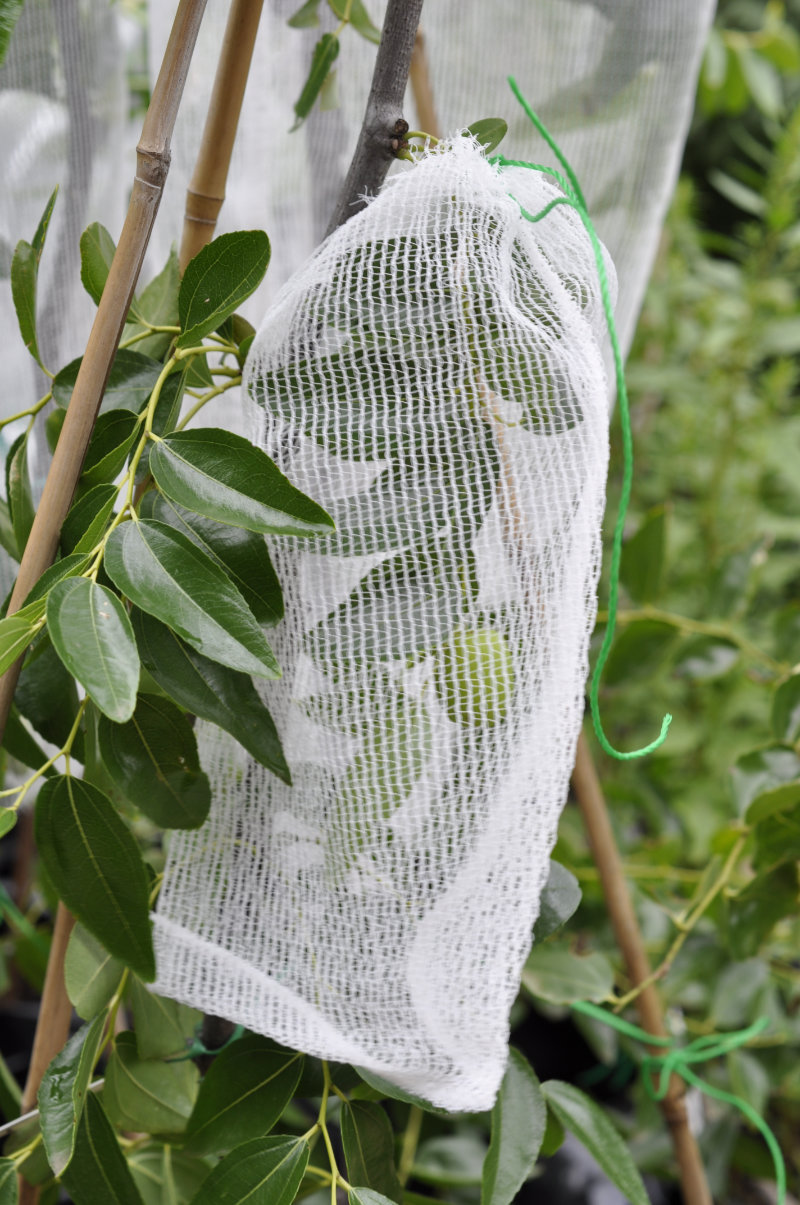
These larger bags also come in packs of ten and have drawstrings.
The size is great for young-but-older trees with larger fruit clusters. These were life-savers on my taller jujube and fig trees.
And again they can be used as a mini net to completely cover and protect a young, but taller tree.
LARGE Fruit Protection SLEEVES (30 cm x 90 cm)
copyright © Kristi Ellinopoullos
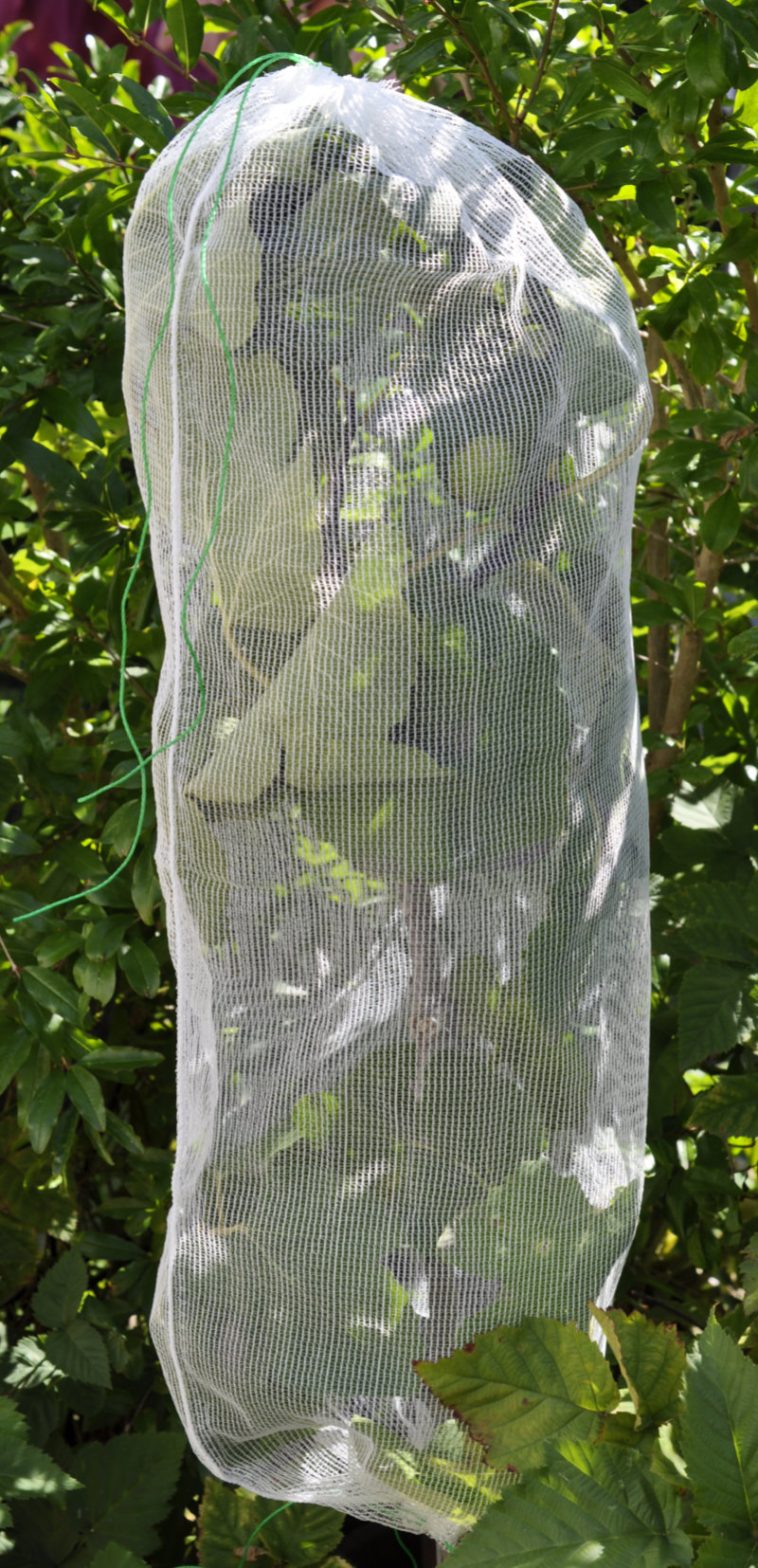
These large sleeves come in packs of five and have drawstrings at both ends.
A drawstring at each end enables you to position and secure the sleeve anywhere along a branch, and the large size ensures good coverage of fruit-heavy branches within a single sleeve.
Being able to access either end at any time is also very helpful when the fruit at one end are green but ripe at the other!
One very mild criticism I have with the sleeves — which I’ve not noticed with the two bags above, is that sometimes one of the drawstrings is not positioned well. If not noticed in time you may lose one of the ends inside the seam and it’s a very fiddly procedure to feed it back through. I don’t bother, but pull the whole string out and secure the bag by wrapping the string around the outside as in this photo:
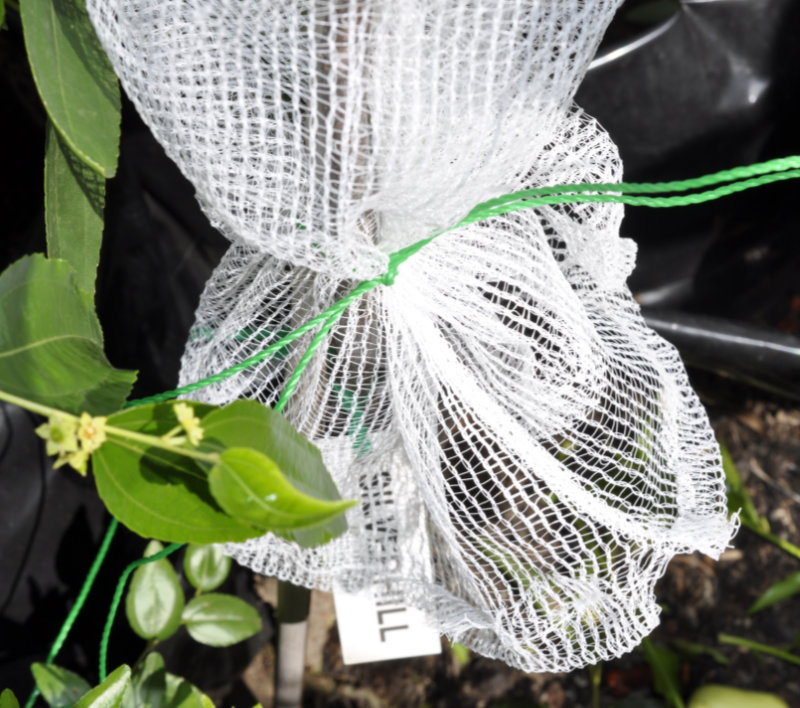
copyright © Kristi Ellinopoullos
Sometimes it makes for a more secure fit anyway!
This size was invaluable for my young but tallest jujube trees and for the fruiting branches of my younger but wider fig trees.
The jujube trees were more narrow and upright than the figs, and I used many of these sleeves as nets for complete coverage:
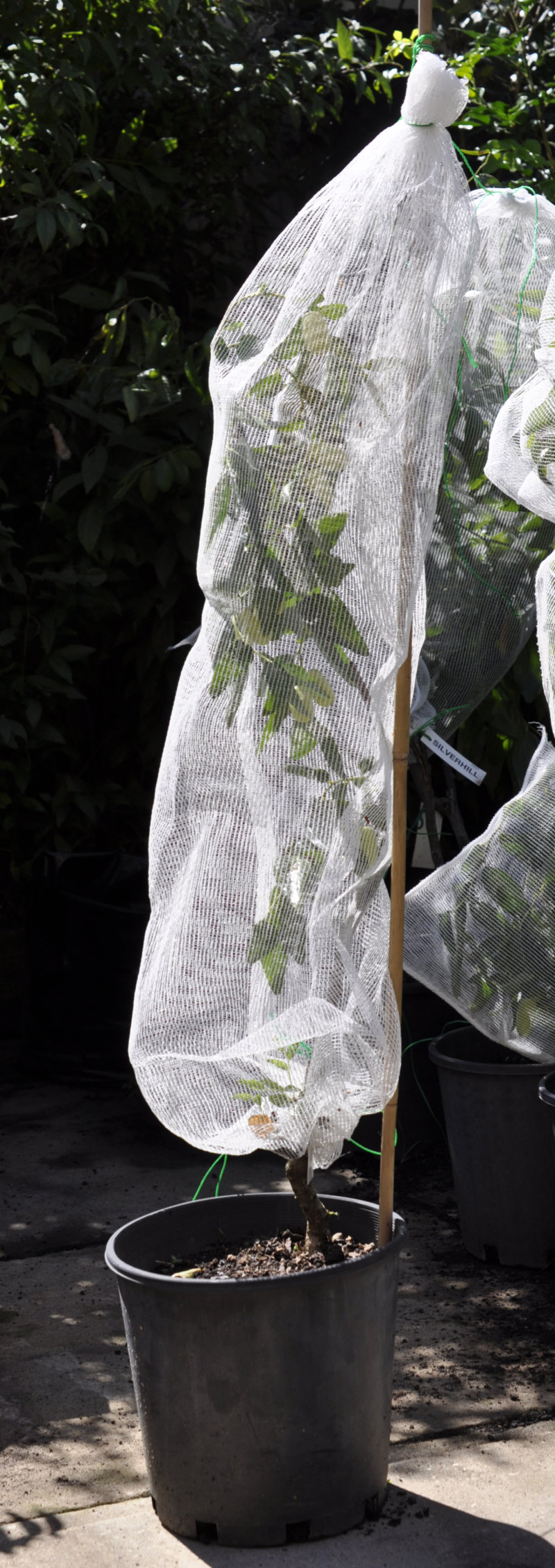
copyright © Kristi Ellinopoullos
The drawstring was long enough to help secure trees to stakes as well!
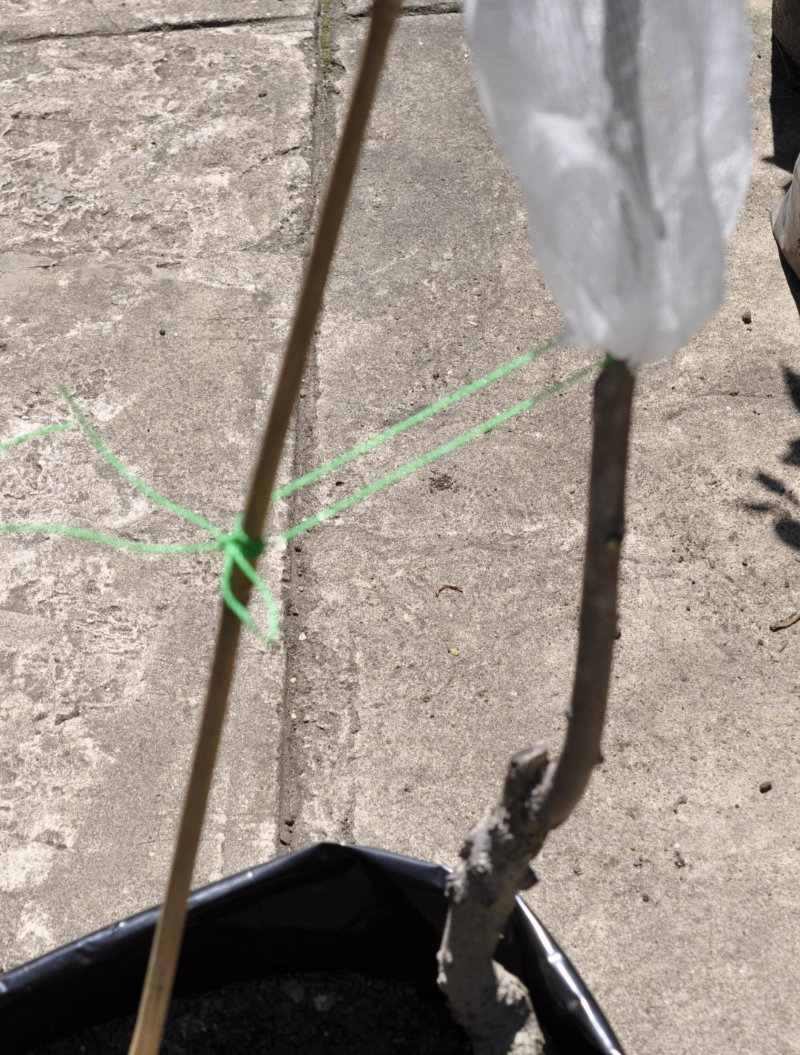
copyright © Kristi Ellinopoullos
These bags and sleeves are available via the links below::
Ten-Pack of SMALL Fruit Protection BAGS (15 cm × 25 cm)
Ten-Pack of LARGE Fruit Protection BAGS (30 cm × 30 cm)
Five-Pack of LARGE Fruit Protection SLEEVES (30 cm × 90 cm)
Bag and Sleeve Combo
Crop Protection
Crop Protection NETTING (5 m × 2.8 m)
More details and photos coming soon in an update…
This netting is available via the links below:
Crop Protection NETTING (5 m × 2.8 m)
Combo Pack 1
Combo Pack 2
Combo Pack 3

Related Products
Leave a Comment