







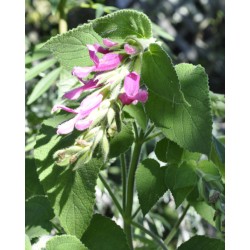
Title image above is copyright © Kristi Ellinopoullos
First published 1st July 2026
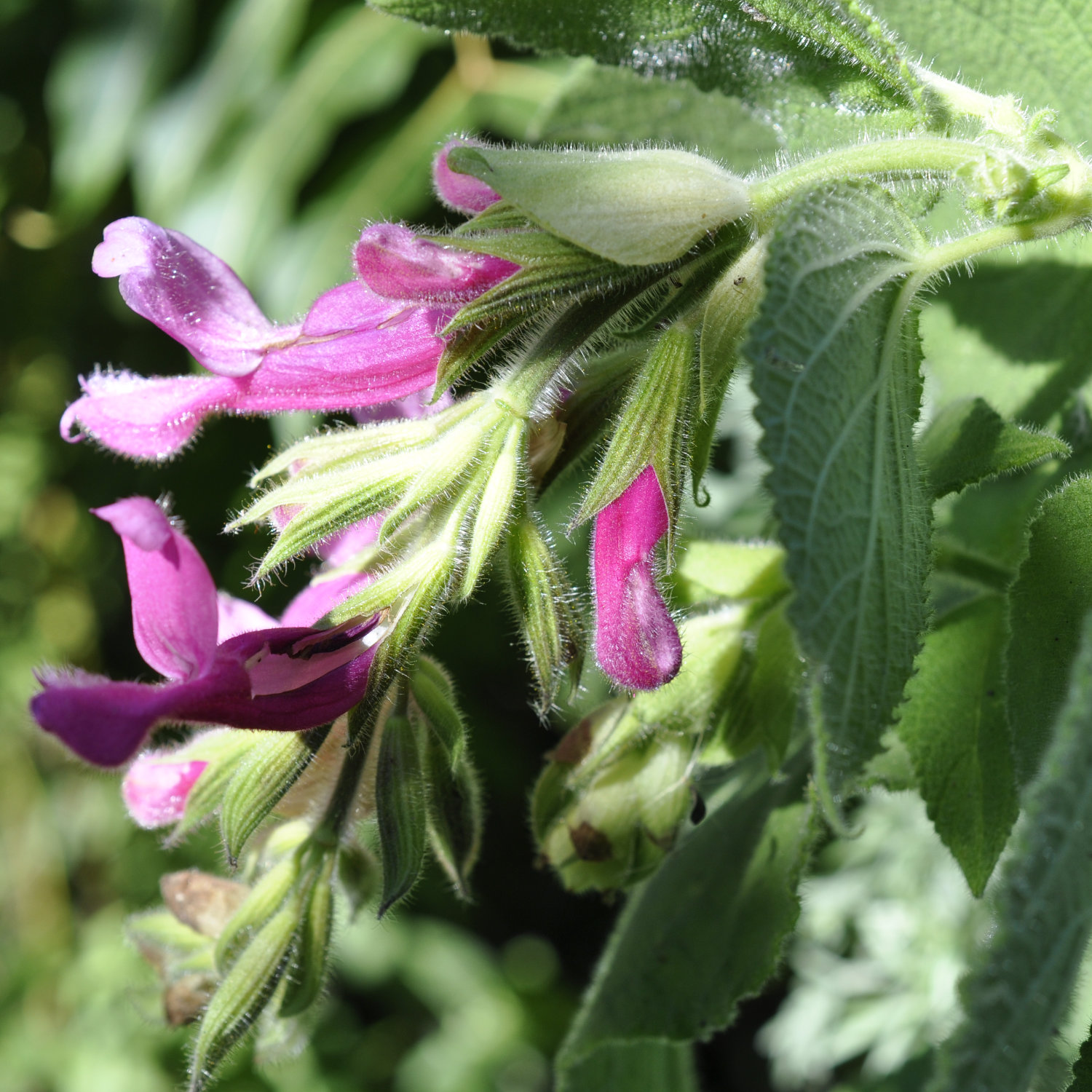
Fruit Salad / Fruity / Potpourri Sage (Salvia dorisiana)
Family: Lamiaceae (the mint family: includes mints, basils, sages, oreganos)
Genus: Salvia (includes sages and rosemary)
Botanical/Binomial Name: Salvia dorisiana
Meaning of Name:
Salvia, from Latin salvia (‘sage’); and
dorisiana, after Doris Zemurray Stone (1909-1994), an archaeologist and ethnographer who specialised in pre-Columbian meso-America
Common Name: Fruit Salad Sage, Fruity Sage, Potpourri Sage
Botanical Characteristics: Herbaceous | Perennial | Evergreen | Self-Pollinating | Frost tolerant
Propagation: Cuttings | Seed
Item Description of Cuttings:
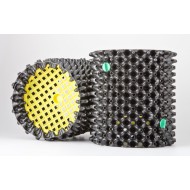
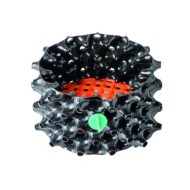
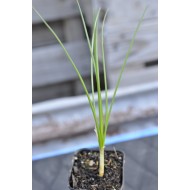
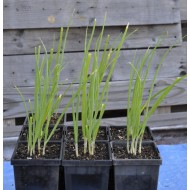
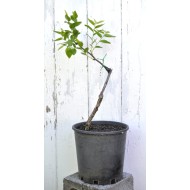
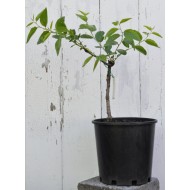
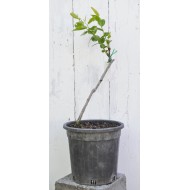
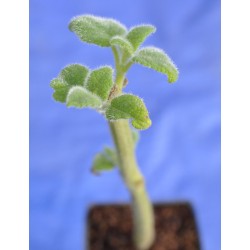
Dimensions of the tube are 50 mm square × 120 mm deep. The square tube shape produces beautifully straight and deep roots, which gives these young plants every advantage once planted out.
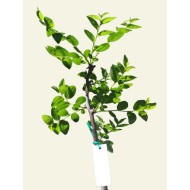
The cuttings in the picture are about 150 mm tall, 450 mm tall including the tube. They don’t look like much in the photo, but these are vigorous and strong.
Item Description of Leaves for Potpourri:
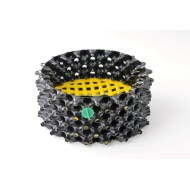
As many fresh fruit salad / potpourri leaves as will fit in a box 220 mm × 160 mm × 70 mm — the box will be packed to overflowing on leaving here, but please do note that some shrinkage will occur in transit as they begin to dry.
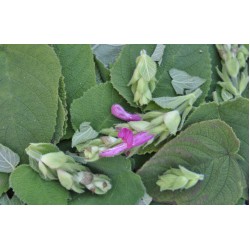
The net weight of the leaves, flowers and buds* in the second photo was 180 g on 21st June 2026. I then left that box in a shed to simulate a transport time, and ten days later on 1st July 2026 the net weight was 140 g. The leaves were still green in colour but the volume was a touch less.
* Flowers and buds are seasonal (late winter here) but wil be included if available, unless you request they be omitted.
Plant Description:
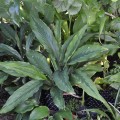
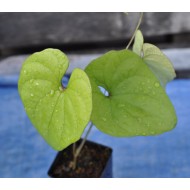
Fruit salad sage grows to about 1.5 m high and about 800 mm wide. The leaves are heart-shaped (cordate), and about 14 mm long and 100 mm across at the widest part. The leaves are soft and velvety to the touch and release a lovely fruity scent when crushed. This scent is retained by the dried leaves, from whence comes another name for this herb — potpourri sage.
Both the leaves and flowers are edible, but best consumed fresh and uncooked to get the most flavour and aroma — think fruit salads, garnishes, added to cold drinks and punches, or added at the end of cooking. Tthe leaves also make a relaxing herbal tea.
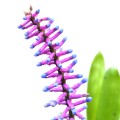
The vivid pink flowers appear in winter.
A frost may appear to knock this plant out, but it will regrow from the base in spring.
Growing Information:
Fruit salad sage likes it more moist than most other sages. Those large flat leaves will tell you when they need water, by drooping and looking utterly miserable, and especially in summer.
It thrives in a well-draining organically-rich soil, and likes full to part-sun.
This sage is a vigorous grower and self-seeds readily, but is not invasive and is easily contained.

Related Products
Leave a Comment