




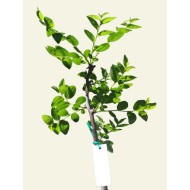

Title image above is copyright © Kristi Ellinopoullos
First published 2nd July 2026
The previous post here mentioned my discovery that rats ringbark trees, and how they went for some young figs, citruses, and eventually, the jujube trees.
As I had done here and here, I found myself reaching yet again for these truly indispensable nets to solve yet another problem.
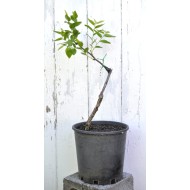
I didn’t discover the damage to the jujube trees until mid-afternoon on literally the shortest day of the year, 21st June (winter solstice). I had two hours of daylight left and there was no time for photographs. But believe me when I say that some of the trees had been stripped a full 400 mm length of trunk. It was horrible.
I called in the troops and we were there until 8pm covering each and every tree individually, including the heavily damaged ones. (Hubby brought our the big guns — his retina-burning work lights — which made this soooo much easier!) These were deciduous dormant trees and protecting them from further attack was the priority. Assessing each one more carefully could wait until daylight.
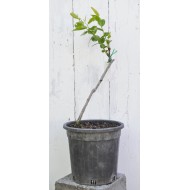
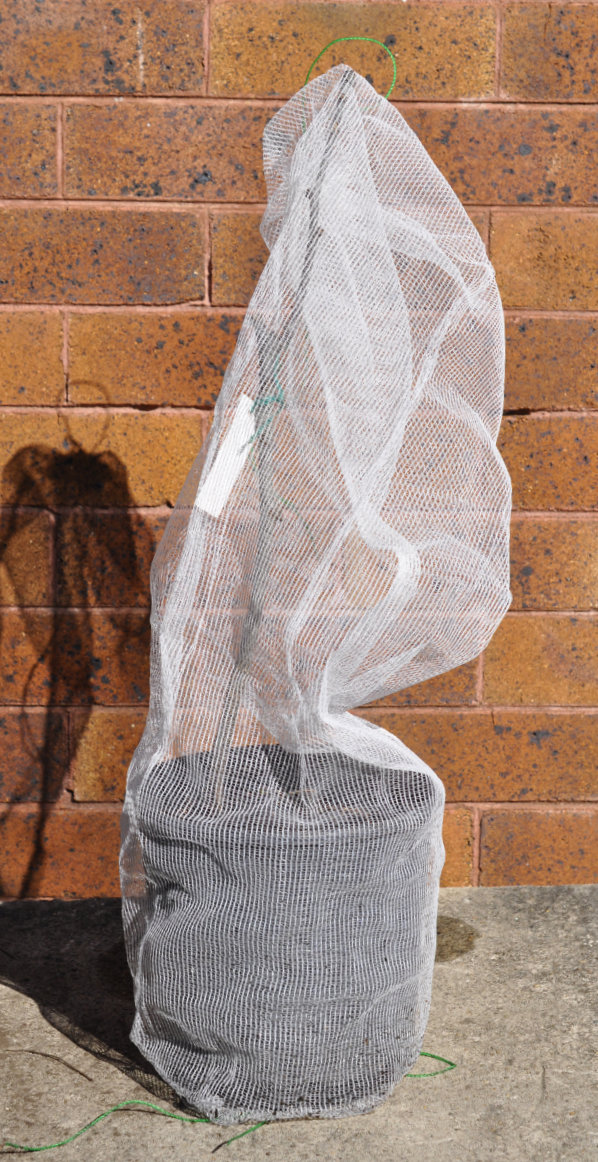
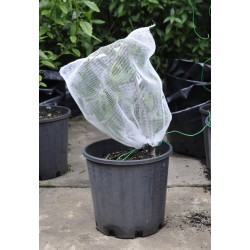
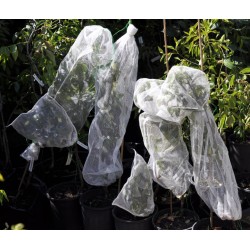
The go-to was the large sleeve. It was both wide enough to slip over the trees in 190 mm pots, and tall enough to completely cover most of those:
copyright © Kristi Ellinopoullos
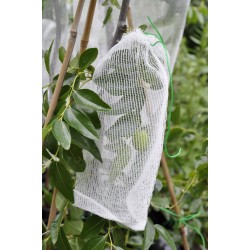
If the sleeve wasn’t quite long enough, we simply slipped either a small or a large bag over the top, and for the really tall trees we slipped another sleeve over. The drawstrings ensured everything was secure with no gaps a rodent could poke its way into.
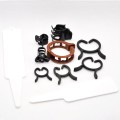
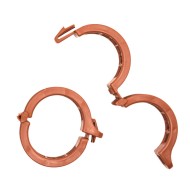
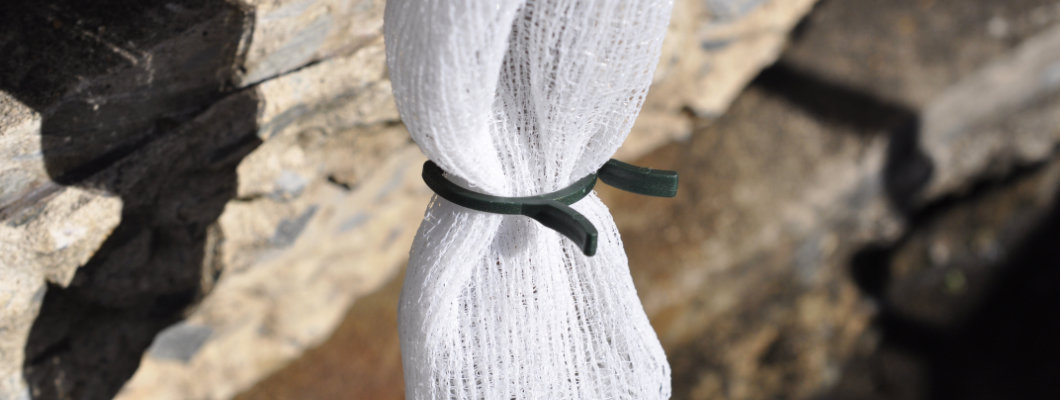
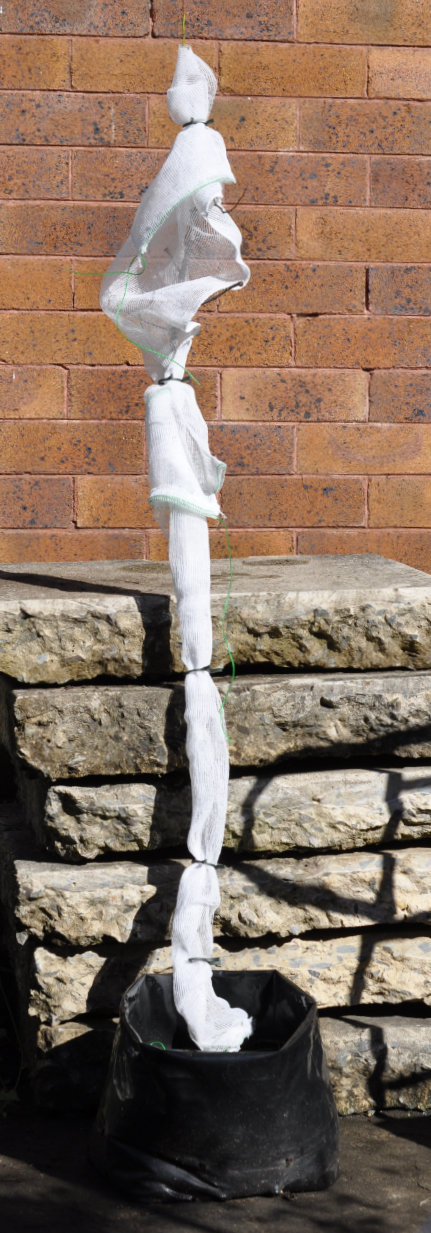
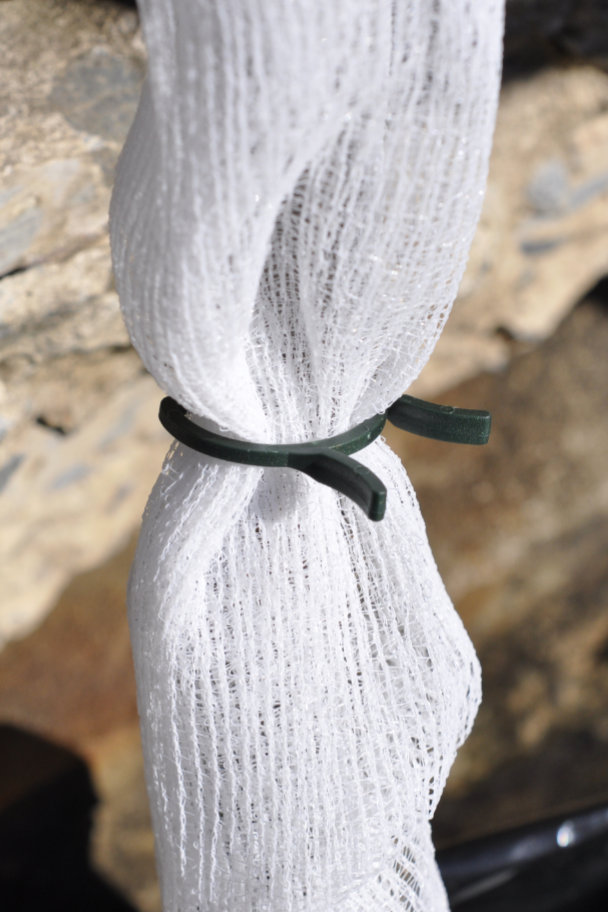
For the very tall and wider trees it was easier to wrap the sleeves and bags around the trunks and hold them in place with trellis clips:
copyright © Kristi Ellinopoullos
copyright © Kristi Ellinopoullos

Related Products
Leave a Comment