
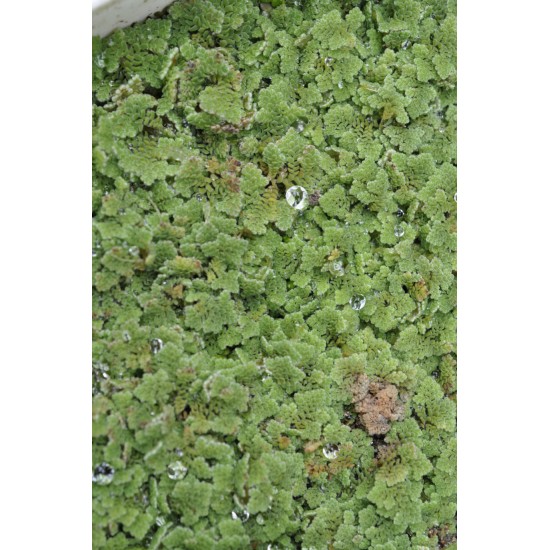
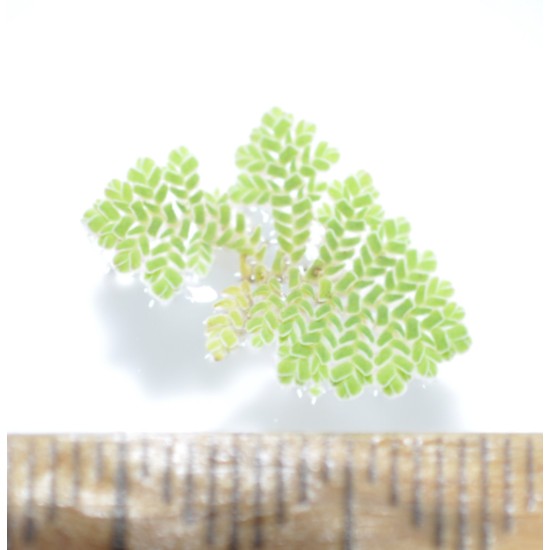
- Stock: In Stock
- Model: azolla
Family: Salviniaceae (includes heterosporous aquatic ferns)
Genus: Azolla (includes heterosporous aquatic ferns)
Botanical/Binomial Name: Azolla pinnata
Meaning of Name:
Azolla, derived by French naturalist Jean-Baptiste de Lamarck, but meaning is unclear. Perhaps from Ancient Greek ἄζω (ázō, ‘dry (verb)’) + ὀλλύω (ázō, ‘ollúō (verb)’): dies when dry, or possibly from an indigenous language where the first Azolla specimen was collected around the Strait of Magellan; and
pinnata, from Latin pinnāta (‘resembling a feather’)
Common Names: Azolla, Red azolla, Mosquitofern, Feathered mosquitofern, Water velvet, Fairy moss, Water fern, Red water fern
Botanical Characteristics: Herbaceous | Creeping perennial | Evergreen | Freshwater aquatic | Frost tender
Propagation: Inoculation of water
Item Description:
PICK-UP OR ENQUIRE AS TO SAME-DAY COURIER TO SYDNEY
For every one item ordered I will fill a rectangular takeaway container.
Please note: while this is a native Australian species, it may not be native to your area. Please never flush live plants down sinks or drains where they could enter waterways and become an environmental pest.
Plant Description:
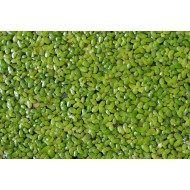
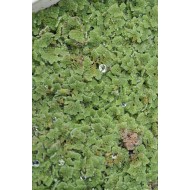
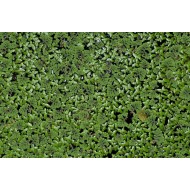
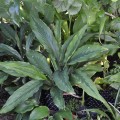
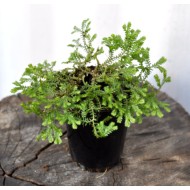
Azolla is a creeping, floating freshwater aquatic little fern which reproduces and covers still water surfaces quickly.
A single plant has a triangular frond up to 25-30 mm in length, made of tiny leaves 1-2 mm wide. Hair-like roots can reach 40 mm long and dangle in the water. Reproduction can be either asexual when branches break off and grow new plants, or sexual via spores.
Colours range from greens to browns to reds within the same mass, but one colour will dominate overall depending on ambient temperature, light levels and nutrient levels. Azolla is highly stressed in environments with strong light, high UV, low nutrients, and fluctuating temperatures, and these conditions stimulate the production of anthocyanins. Anthocyanins are red, blue and purple pigments which protect plant tissue by acting as a kind of sunscreen.
I have both azolla and common duckweed (Lemna minor) growing with my water lilies, where both do a fantastic job of keeping the water clean. Fish enthusiasts grow both to keep their ponds or aquaria clean as well as to provide shelter for, and to feed their fish.
The dense mat that forms on a water’s surface further prevents mosquitoes depositing their eggs and/or suffocates any larvae there prior.
Growing Information:
Azolla grows best between 18 °C to 26 °C, and water at least 300 mm deep helps minimise temperature fluctuations. I grow this species with my water lilies in full sun (these too like a depth of about 300 mm) and the azolla powered on and stayed green throughout a long run of very hot summer days exceeding 35 °C.
Like duckweed, this plant too is very easy to propagate — simply scoop up a handful and add to water! So long as there are no fish or birds to eat it before it can become established, it will reproduce rapidly and cover a water’s surface very quickly.
I don’t and have never kept fish, but would imagine that once established in a fish-free pond, that then introducing fish in appropriate numbers will create a check on numbers and density. Enough fish to feed well on the azolla without eating it to oblivion, leaving enough azolla to sustainably replenish itself whilst simultaneously providing both shelter and cover for the fish and enabling sunlight into the pond.
Local pick-up is welcome — we’re in Gwynneville, near Wollongong University.
Pick-up is by mutual arrangement please, as we don’t have a shopfront.
Having said that, we are always here and more often than not can easily fit in with whichever day and time suits you best!
Feel free to suggest preferred pick-up time(s) in the comments box during checkout and we’ll reply as soon as we see the notification.
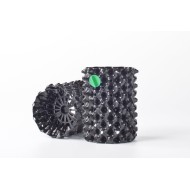
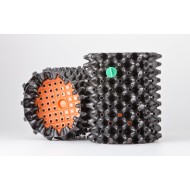
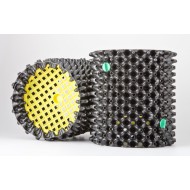
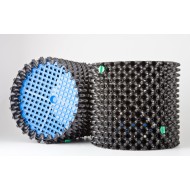
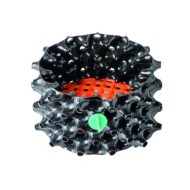
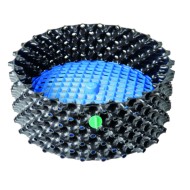
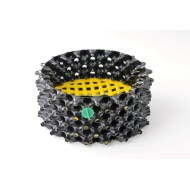
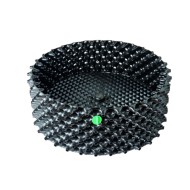
Especial Note Regarding Large Air-Pot® Orders
Depending on the order, we may suggest that large Air-Pot® orders are best sent directly to you from the warehouse.
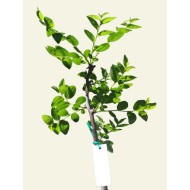
Especial Note Regarding Jujube Trees
When posting out bare-rooted jujube trees, we routinely trim them to fit the box and keep postage costs to a minimum. These trees are typically knee-high when planted out, though some may be smaller.
This of course doesn’t apply for pick-ups, and in fact we will set aside the tallest trees specifically for this purpose. These trees can often be hip-high, and sometimes taller again.
Please note that this is not a guarantee, as heights of different cultivars can differ from year to year.