






















 Name: Amaryllidaceae
Meaning of Name:
Amaryllidaceae, from Latin Amaryllis (‘a country girl in Virgil’s Eclogues’), from Ancient Greek Ἀμαρυλλίς (Amarullís, from ἀμαρύσσω, amarússō, ‘I shine’) + Latin -āceae (the feminine plural of -āceus, ‘resembling’, a suffix used to form the taxonomic family names of plants, algae, bacteria, and fungi)
Common Name:
The amaryllis family
Botanical Information:
Amaryllidaceae, or the amaryllis family, contains around 70-75 genera and 1,600 species. These species are herbaceous, and mostly perennial and bulbous, though some are rhizomatous.
This family has many popular flowering plants, such as Amaryllis, Hippeastrum, Agapanthus, Clivia and daffodils, as well as the edible onions, leeks, garlics and chives.
Amaryllidaceae has an incredibly busy botanical history, with entire subgroups moving in and out over centuries as defining characteristics changed. Today a genus is deemed to belong to Amaryllidaceae if it has “an umbellate inflorescence subtended by an involucre of one or more spathaceous bracts” (John Hutchinson, 1926) — this very detailed definition refers to a specific flower arrangement on a specific type of modified leaf structure.
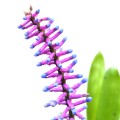
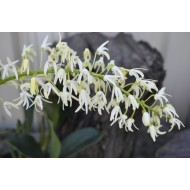
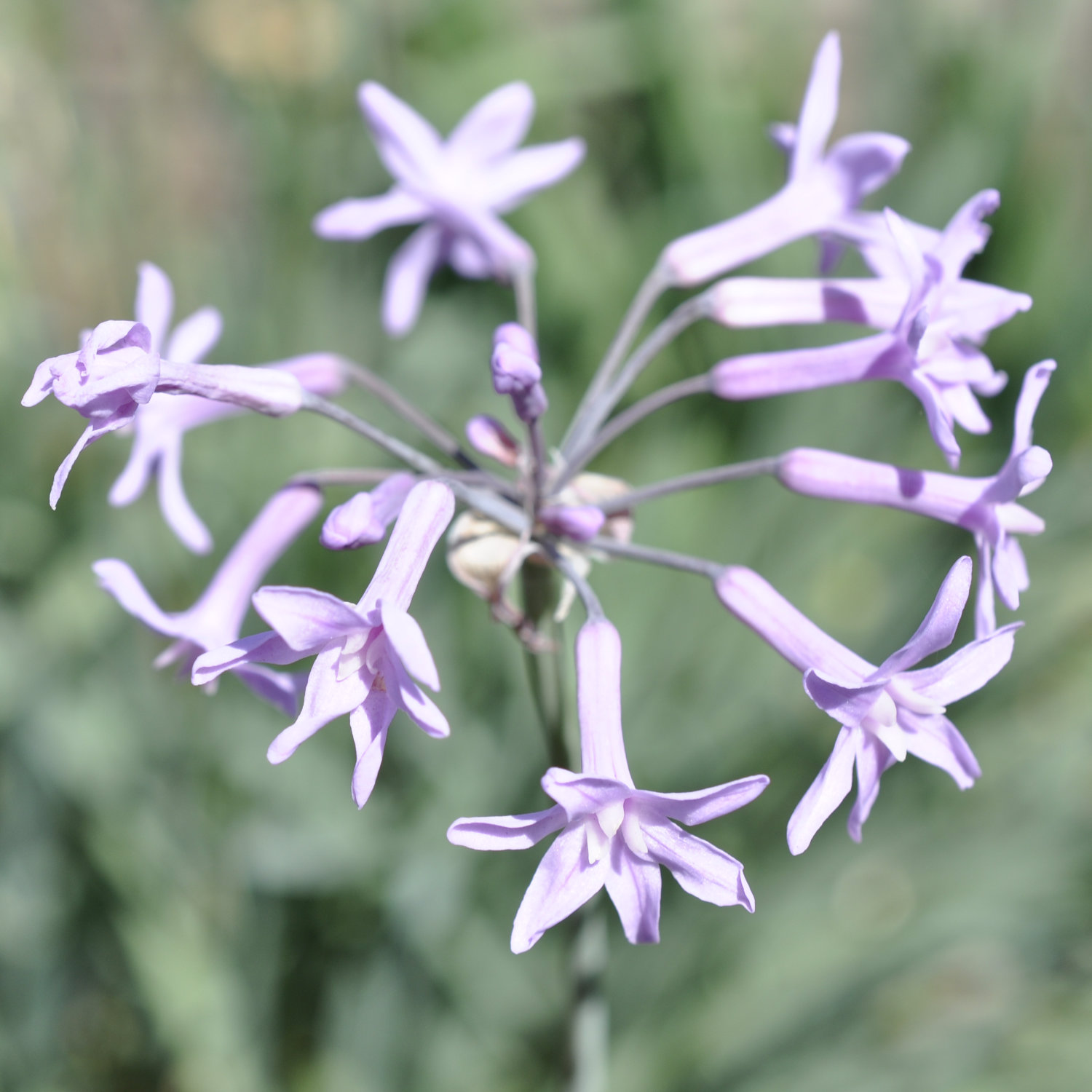
The photo chosen to illustrate this family shows the flower inflorescence of society garlic (Tulbaghia violacea).
Image copyright © Optimate Group Pty Ltd